Showing posts with label fruit. Show all posts

Wednesday, June 23, 2021

Good and Bad Fruit


Rev. Molly F. James, PhD

DFMS Noonday Prayer via Zoom

June 23, 2021

Genesis 15:1-12,17-18; Psalm 47; Matthew 7:15-20

May God’s Word be spoken. May God’s Word be heard. May that point us to the living Word who is Jesus Christ our Lord. Amen. 

“Every tree that does not bear good fruit is cut down and thrown into the fire.” Really? We have to go here? All this judgment and condemnation. Where is the reassurance, the comfort, the inspiration we are all seeking in the midst of these uncertain and challenging times. Things seem “back to normal” in so many ways, and yet if we pause and reflect, even for a moment, we know that there is not really any “going back.”  The world, and we, will never be the same again. This past year has been a crucible, an experience of challenges and struggle, an experience that has reshaped our understanding of the world and of ourselves. We may feel comfortable eating in restaurants and getting on airplanes, but we are fooling ourselves if we think we have just picked up where we left off in March of 202o.

So, as we try to navigate our way into this new, maybe we can say “post,” Pandemic way of being, I find it hard to hear this text. Hard to think of God judging us so harshly. Wasn’t one of the central lessons of the past year how much it matters to be compassionate? We are all in this together. Everything will be better if we can show each other more grace and care. How do we square those important lessons with texts that seem to divide the world into good fruit and bad fruit?

As I think I have shared with you all before, when I encounter one of the judgment texts, I return to insights gained from psychologist Eugene Kennedy who wrote a book of reflections after 9/11 entitled, Meditations at the Center of the World. In it he talks about some of the various judgement passages in Scripture - how we often get this theme of bad fruit or chaff being thrown into the fire. Instead of seeing it as dividing the world into good and bad people, Kennedy invites us to see and have compassion for the complexity of ourselves and other people.

We are fruit, mostly good and with a few bad spots. Or perhaps better yet we are the barrel of apples. So much good, and also the occasional bad apple.  We are the whole stalk - the wheat and the chaff. None of us is all good or all bad. Life is just not that simple. 

What Kennedy also reminds us of is that what is good in us is real, it is what is eternal. It is what lasts. God’s “judgment” of us is not wholesale. It is about helping us come to see ourselves fully and to let go, to throw into the fire that which does not give life. That which impedes our ability to grow in relationship with God and with each other. That is what should be cast into outer darkness. That is the fruit, the chaff that should be burned. 

Hopefully one of the gifts that has come our way in the midst of this pandemic has been a sense of clarity about ourselves and the world. A sense of clarity about what really matters to us. Where are our priorities? What are the things that we put down that we don’t actually need to pick back up again? What are the things that we can let go of? We picked up plenty of new anxieties and challenges in the last year, and hopefully we also discovered more clarity about what brings us joy and where we want to invest our precious time and energy. 

So, my friends, I hope that you will see in today’s Gospel an invitation rather than a condemnation. An opportunity to pause and reflect as the world reopens and we do more and more things. There is new life possible out of all the pain and loss of this past year. We are an Easter people. That truth stands at the heart of our faith. May you find this time of transition to be fruitful and life-giving. May it offer you an opportunity to grow, in all the various roles you inhabit. Most importantly may it offer you the opportunity to say yes to a path that affirms your identity as a beautiful and beloved child of God. Amen.


Sunday, May 2, 2021

Pruning to bear good fruit


Rev. Molly F. James, PhD

St. Alban’s, Simsbury, CT  

May 2, 2021, Fifth Easter

Acts 8:26-40; 1 John 4:7-21; John 15:1-8; Psalm 22:24-30


May God’s Word be spoken. May God’s Word be heard. May that point us to the living Word, who is Jesus Christ our Lord. Amen. 


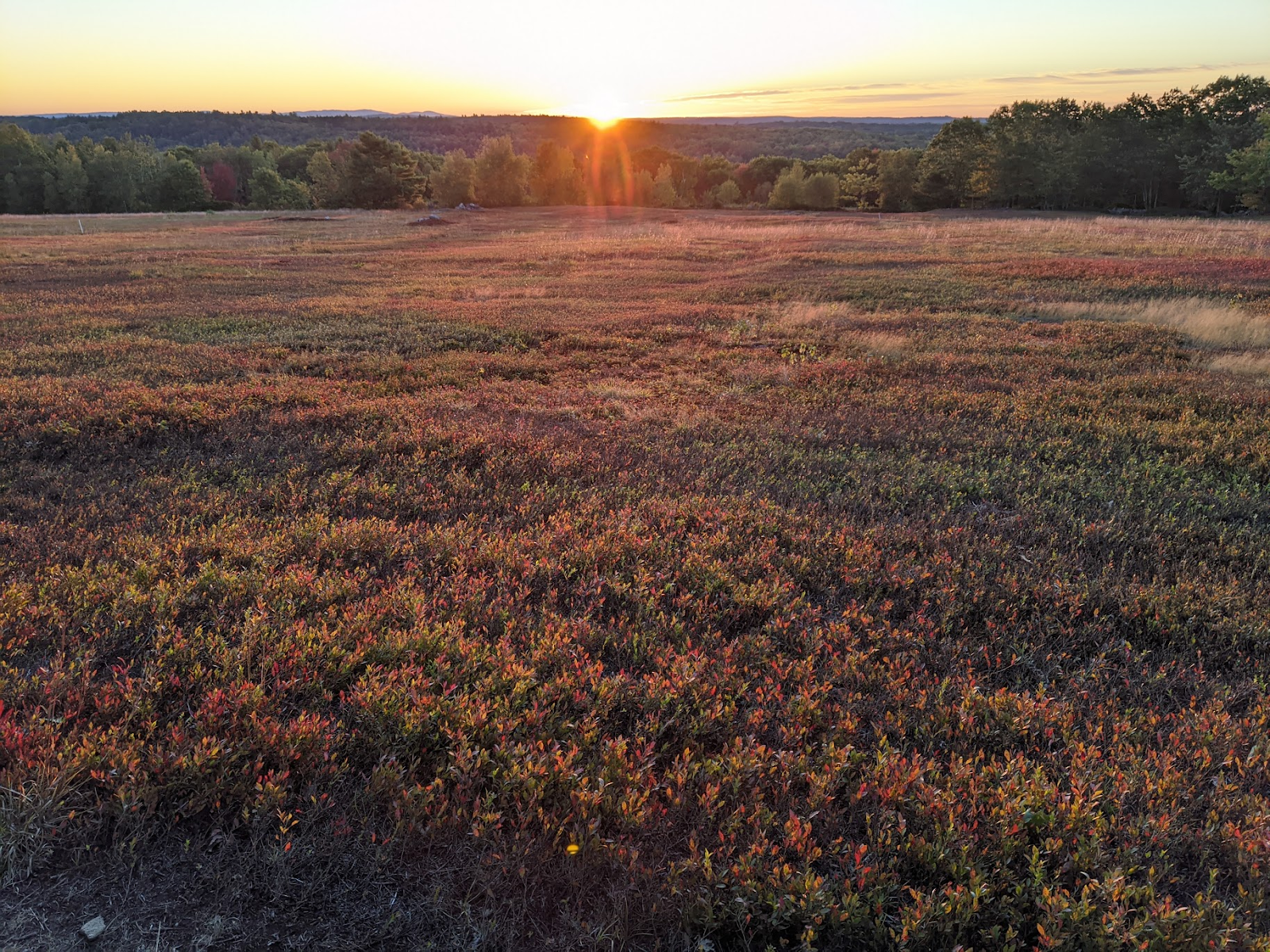
The house in which I grew up sat amidst an ancient apple orchard.  And behind the house, next to the vegetable garden there were two grape vines.  And then across the hayfield and the break in the trees, you come to nine acres of (Maine wild) blueberries.  The delicious, sweet, small ones that grow on carpet of small vines, only inches above the rocky soil.  Given that I spent my childhood surrounded by all these vines and branches, you can imagine my mind went straight there when I read the Gospel lesson for today.  Jesus said, "I am the true vine, and my Father is the vinegrower.  He removes every branch in me that bears no fruit.  Every branch that bears fruit he prunes to make it bear more fruit.”  Ahh, the pruning. 

I remember one early spring when my Dad went out with his pruning shears to cut the grape vines back.  He peacefully went about his work, and when he was finished, we were in a bit of shock and concerned that he might have done irreparable harm to the vine.  There seemed to be hardly anything left of it.  We were convinced that might be the end of our grapes.  But no.  The vine grew in, lusher than ever, and was weighed down with fruit by the end of the summer. Pruning truly does bear more fruit. 

And then there are the blueberry plants. They are pruned by mowing and burning.  After they are harvested the whole field is mowed and then, when weather permits, it is burned. Then it lies fallow for a year, growing back the vine, setting buds, but producing no blossoms and no fruit.  Then the following year, it produces more of the delicious fruit.  If the field is not mowed and burned, the plants would produce more and more leaves, and fewer and fewer berries.  Mowing and burning are actually key to a bountiful harvest of beautiful berries. 

One can see why Jesus chose these images from the natural world to make his point - they are so fitting, and so true!  

The trouble is, most of us don’t like to think of pruning.  And we particularly don’t like to think of God going around with pruning shears sniping away at bits of our lives.  We might not mind so much if God would like to do some pruning in some OTHER people’s lives - as a matter of fact I would bet that most of us have days when we would like to tell God exactly who and what needs pruning!

But we know that is not what Jesus is inviting us to consider.  Jesus is inviting us trust in the possibility that good, bountiful fruit will come, even when we are in the times where it looks like the vines have been pared back far too much. I would guess that most of us feel like there has been far more pruning in the past year than anyone of us would have liked or have desired. So many things have been taken away. In many ways our lives have been stripped bare. 

This is hard and painful. There is grieving to do. Much grieving to do. Over lives and opportunities lost. Over the loss of what we thought we could count on, of what we might even say we took for granted. I hope that you are finding time and space to grieve. That you are gentle with yourself when you find yourself overwhelmed with emotion or wanting to cry at unexpected times. This has been a hard year. 

And I hope that we do not miss the opportunity, the invitation that is there in the midst of these challenges. There is an invitation to clarity. An invitation to reorient our priorities. An invitation to be thoughtful and considerate about what fruit we would like to bear going forward. 

What might it mean, what might it look like for us to live lives that are more fulfilling, more meaningful. How might we be more deeply connected to God and each other? How might our actions be a part of realizing God’s dream, of contributing to the transformation of the world? The world needs transformation. The tragedies of this past year have laid bare realities of systemic injustice and oppression that too many of us have been able to ignore for far too long.

I think it is important to remember that pruning is natural.  Sometimes it just happens.  Lightening storms happen.  Wild animals do their share of damage. Pruning happens. It can look and feel like a real loss.  It can even be a pruning that threatens the survival of the whole plant.  But what does nature show us again and again?  It can also come back stronger.  It can overcome adversity and bear beautiful, nutritious fruit. 

So, what can we take away from this? This has been a year of pruning. Some of it the kind of pruning that clears away the detritus that has kept us from seeing the realities of injustice in our society. Other pruning has been loss on a scale few of us could even imagine. The losses have been harsh and painful, and they seem to make NO SENSE.  There is real pain and grief. And there is also an invitation to clarity. An invitation to remember that our roots run deep.  We are grounded in the love of God, and no matter what, we can trust that we are being given the strength to bear good fruit.  If we allow God to work through us, our bare branches and fragile stems can be transformed into a gift that helps feed the world.

AMEN.